

How to Buy Counterfeit Money Safely: Exploring the Risks and Realities
Counterfeit money, albeit unlawful, has piqued the interest of certain people throughout the years. Some may view it as a method to bypass monetary difficulties or profit from unethical opportunities. However, while the appeal of counterfeit currency might seem appealing, it comes with significant dangers, harsh legal repercussions, and ethical issues. In this short article, we'll explore the realities of counterfeit money, analyze why some people gravitate towards it, and provide a more comprehensive perspective on this dangerous pursuit.
Disclaimer: Understanding the Complexity of Counterfeiting
Before delving even more into the topic, it's vital to keep in mind that purchasing counterfeit money is illegal and punishable under the laws of practically every country. This short article is not an endorsement of illegal activities but rather an informative piece targeted at expanding awareness about the concept and the risks included.
What is Counterfeit Money?
Counterfeit money is any unauthorized currency produced with the intent to deceive by duplicating official legal tender. Governments have actually detailed styles and security functions embedded into money to avoid fraud, however counterfeiters work to replicate these features to a persuading level.
While counterfeit money may look authentic, it weakens the financial systems of economies worldwide. Such prohibited acts can lead to inflated economies, the decline of legitimate currency, and the erosion of trust in cash-based deals.
Why Do People Seek Counterfeit Money?
Understanding the inspirations behind purchasing counterfeit money uses some insight into this unlawful market. Below are a few of the typical factors that may lure people:
Financial Hardship: For some, minutes of significant monetary distress might lead them to desperate procedures. They may attempt to use counterfeit money as a short-term solution to problems like overdue bills or absence of disposable earnings.
Lawbreaker Intentions: Some individuals seek counterfeit money to money prohibited activities, taking advantage of fake notes to steal products, wash money, or defraud others.
Lack Of Knowledge of Legal Consequences: Many fall under the trap of counterfeit transactions without totally understanding the weight and consequences of their actions.
Peer Pressure/Peer Influence: Sometimes, individuals are lured into counterfeit plans through buddies or partners who promise quick and easy profit.
Whatever the thinking, all efforts to purchase, utilize, or disperse counterfeit currency are filled with risk and bring considerable repercussions.
The Risks of Buying Counterfeit Money
The choice to go into the counterfeit currency market is not without its effects. The challenges and dangers someone may face consist of:
Legal Ramifications: Possessing, utilizing, or producing counterfeit currency is a criminal offense in many jurisdictions. If captured, people could deal with fines, probation, or perhaps imprisonment, depending upon the seriousness of the offense.
Ethical Dilemmas: Counterfeiting directly harms the economy and honest businesses. It weakens rely on financial systems and destabilizes legitimate wealth development.
Financial Loss: Many people searching for counterfeit money succumb to fraudsters. Online markets and dubious operators claiming to sell fake currency might never deliver or send unusable, poorly crafted notes.
Involvement in Organized Crime: Counterfeiting frequently converges with larger criminal networks. Trying to buy fake money can accidentally put individuals in contact with harmful organizations.
Lack of Quality Control: Not all counterfeit money is produced equivalent. Improperly crafted fake notes can be quickly detected by suppliers, banks, or anyone with access to counterfeit-detection gadgets, leaving buyers open to exposure and arrest.
Signs to Watch For in Counterfeit Currency
For those in any handling of physical currency-- whether company owners, workers, or consumers-- it's essential to recognize the signs of counterfeit money. Key areas to examine consist of:
Watermarks and Holograms: Legitimate notes often have watermarks or holographic images that are challenging to duplicate.
Texture Differences: Counterfeit notes may feel smoother or flimsier compared to the tactile texture of authentic currency.
Color Inequalities: Variations in color or shading may show inauthentic printing processes.
Serial Numbers: Check whether serial numbers are misaligned, improperly spaced, or duplicated on numerous costs.
top falschgeld webseiten can go a long method towards helping people prevent falling prey to counterfeit networks.
Why Safety Can Be an Illusion
Numerous online forums and websites claim to provide "safe" or "discreet" methods of buying counterfeit money, frequently promoting encrypted deals, safe shipment, or untraceable payments through cryptocurrencies. However, these assurances are typically impressions to draw unsuspecting individuals into frauds or criminal traps. Here's why "safe" counterfeiting is a misconception:
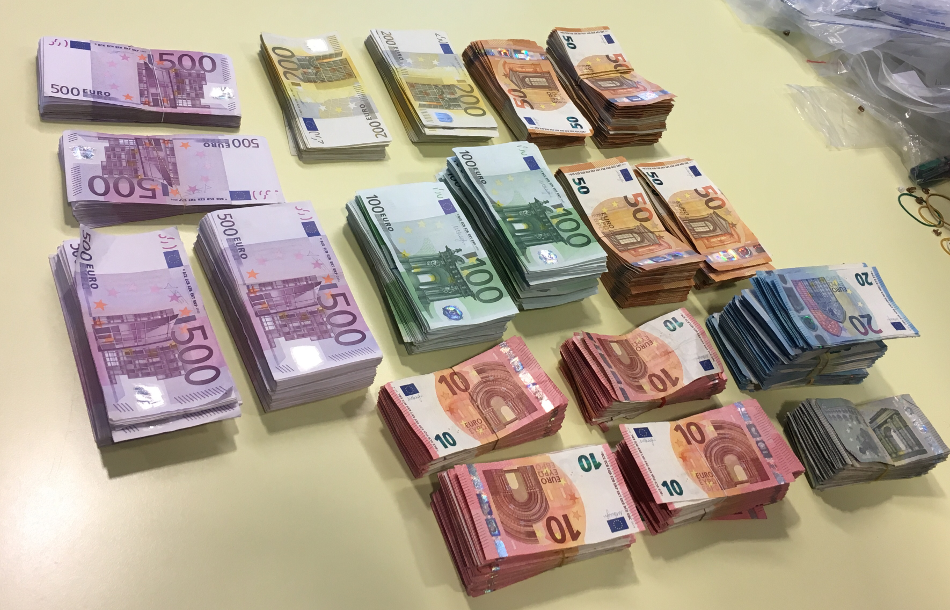
Deceptive Sellers: Many counterfeit sellers vanish after receiving payment, leaving purchasers empty-handed.
Government Stings: Law enforcement actively works to penetrate and track online markets for counterfeit goods. Buyers may unknowingly connect with undercover authorities posing as sellers.
Unusable Counterfeit Notes: Even if provided, fake currency frequently stops working to pass standard authenticity tests, rendering it useless and increasing prospective exposure to legal difficulty.
Traceable Payments: Cryptocurrency, while protected in numerous legitimate cases, is not as anonymous as some think. Police have significantly advanced approaches to track monetary transactions.
Alternatives to Addressing Financial Struggles
Instead of taking the illegal and dishonest path of counterfeiting, individuals experiencing monetary difficulty can think about these safe and legal options:
Financial Obligation Counseling Services: Seek assistance from specialists who can assist in managing and decreasing debt efficiently.
Government Assistance Programs: For those experiencing task loss or monetary challenge, numerous federal governments provide programs focused on housing, food, and medical help.
Freelancing or Side Hustles: Opportunities to earn additional earnings, such as freelancing online or beginning a small home-based business, can help relieve financial pressure.
Education Grants/Loans: Consider seeking education or skill-building programs that improve job prospects and long-term financial stability.
FAQs About Counterfeit Money
Q1: Is buying counterfeit money always illegal?
Yes. Practically every country has strict laws prohibiting the possession, purchase, or use of counterfeit money. Legal penalties can range from hefty fines to considerable prison time.
Q2: Can counterfeit notes be discovered quickly?
Modern technologies, like ultraviolet light and counterfeit-detection pens, make it possible for vendors, banks, and even consumers to quickly identify fake currency.
Q3: Are sites selling counterfeit money trustworthy?
No. A number of these websites are run by fraudsters who either vanish with your payment or send unusable currency. Furthermore, engaging with such markets can expose you to law enforcement stings.
Q4: What should I do if I come across fake money?
If you suspect an expense is counterfeit, decline to accept it and report it to the authorities instantly. Avoid trying to utilize or pass it yourself, as it might incriminate you.
Q5: What occurs to counterfeit money if it's found?
When counterfeit money is detected, it is confiscated and normally ruined by the authorities. There is no settlement for any loss incurred.
Conclusion
While the idea of purchasing counterfeit money may sound appealing to some, it is laden with unsafe legal effects, ethical issues, and economic damage. No matter how safe someone thinks the procedure to be, the risks far surpass any prospective gains. Remaining informed, adopting genuine monetary options, and avoiding such illegal undertakings is always the best choice. If monetary struggles persist, turning to legal and ethical ways of assistance is not only more secure however likewise a way to build sustainable economic well-being.